
**SocialCompliances.in Chatbot Script
Scope of Factory Compliances
- Registration & Licensing
• Factory registration under the Factories Act
• Factory license (issued by State Factory Inspectorate)
• Approval of factory building plans
• Periodic renewal of licenses
2. Health & Safety Compliances • Proper ventilation, lighting, and cleanliness • Safe machinery with guards and emergency stops • Fire safety systems and evacuation plans • First-aid facilities and trained first-aiders • Safe handling and storage of hazardous substances • Appointment of Safety Officer (mandatory for large factories)
3. Working Hours & Employment Conditions • Maximum working hours (9 hours/day, 48 hours/week) • Weekly holidays • Overtime wages (double the normal rate) • Restrictions on night work for women (with conditions) • Prohibition of child labour
4. Wages & Social Security • Payment of wages on time • Compliance with: o Minimum Wages Act o Employees’ Provident Fund (EPF) o Employees’ State Insurance (ESI) o Bonus (Payment of Bonus Act) o Gratuity (Payment of Gratuity Act)
5. Welfare Facilities • Clean drinking water • Toilets and washing facilities • Canteen (mandatory for factories with 250+ workers) • Crèche facility (if 30+ women workers) • Rest rooms, lunch rooms • Welfare Officer (mandatory for large factories)
6. Registers, Records & Returns • Attendance and muster rolls • Wage registers • Overtime registers • Accident registers • Annual and half-yearly returns to authorities
7. Environmental Compliances • Pollution Control Board consent (CTE / CTO) • Waste management (hazardous, solid, effluent) • Noise and air pollution norms • Water usage and discharge compliance
8. Inspections & Audits • Factory inspections by government authorities • Safety audits and risk assessments • Fire department inspections
9. Why Factory Compliances Are Important • Avoid penalties, fines, and factory closure • Ensure worker safety and morale • Improve productivity and reputation • Legal protection for employers • Mandatory for certifications
10. Why it is so important? • Health & Safety • Labour Standards • Environment • Business Ethics in Supply Chain
11. How we can Ensure Factory Compliances? Ensuring Factory Compliance means making sure that a manufacturing unit follows all applicable labour laws, safety regulations, environmental rules, and statutory requirements. Below is a practical, step-by-step approach, especially relevant for factories in India.
1. Identify Applicable Laws First, determine which laws apply based on: • Number of workers • Nature of manufacturing • Power usage • State location
Key Indian Factory Laws • Factories Act, 1948 • Contract Labour (Regulation & Abolition) Act • Employees’ Provident Fund (EPF) Act • Employees’ State Insurance (ESI) Act • Payment of Wages Act • Minimum Wages Act • Payment of Bonus Act • Payment of Gratuity Act • Shops & Establishment Act (for offices) • Environment Protection Act / Pollution Control norms • Fire Safety & Local Municipal Laws
2. Statutory Registrations & Licenses Ensure all mandatory registrations are obtained and kept valid: • Factory License • PAN, TAN • GST Registration • EPF & ESI Registration • Labour Welfare Fund Registration • Pollution Control Board Consent (CTE & CTO) • Fire Safety NOC • Local Municipal Trade License
3. Maintain Mandatory Registers & Records Maintain updated records (manual or digital): Common Registers • Attendance & Muster Roll • Wages Register • Overtime Register • Leave with Wages Register • Accident Register • Register of Adult Workers • Contract Labour Registers Tip: Digital registers are acceptable in many states if properly authenticated.
**4. Timely Statutory Payments & Returns
• Pay wages, PF, ESI, bonus, gratuity on time • File monthly, quarterly & annual returns • Track due dates using a compliance calendar
**5. Health, Safety & Welfare Measures Under the Factories Act:
• Safety guards on machinery • Proper ventilation & lighting • Drinking water, restrooms, canteen (if applicable) • First-aid boxes & trained first-aiders • Safety signage & PPE • Regular health check-ups (where applicable)
**6. Display Mandatory Notices
Display at conspicuous places: • Abstract of the Factories Act • Working hours & shift timings • Wage rates • Emergency contacts • Safety instructions
**7. Contract Labour Compliance (if applicable)
• Verify contractor licenses • Ensure PF/ESI compliance of contractors • Maintain Form XII, XIII, XIV etc. • Conduct regular audits of contractor records
**8. Internal & External Audits
• Conduct periodic internal compliance audits • Engage labour law consultants or CS/CA professionals • Prepare for inspections by Labour, Factory, Fire, and Pollution authorities
**9. Employee Awareness & Training
• Safety training • Labour law awareness • Grievance redressal mechanism • POSH compliance (if applicable)
**10. Use Technology & Professional Support
• Compliance management software • HR & payroll systems integrated with PF/ESI • Retainer-based labour law consultant
**11. Continuous Monitoring & Improvement
• Track legal updates • Rectify non-compliances immediately • Maintain inspection visit records & compliance reports
In Short (Best Practice Formula) Compliance = Registration + Records + Returns + Safety + Audit + Awareness Type of Compliances. • Social • Quality • Product • Technical • Environment • Sustainability In a factory / industrial context, compliances are generally classified into the following types:
1. Statutory / Legal Compliances Mandatory compliances required by law. Examples (India): • Factories Act, 1948 • Minimum Wages Act • Payment of Wages Act • Employees’ Provident Fund (EPF) • Employees’ State Insurance (ESI) • Payment of Bonus Act • Payment of Gratuity Act • Contract Labour (R&A) Act • Shops & Establishments Act
2. Labour & Employment Compliances Related to employee rights, wages, working hours, and welfare. Includes: • Attendance & wage registers • Overtime compliance • Leave records • Appointment letters • Working hours & weekly off • Equal pay & anti-discrimination norms
3. Health, Safety & Environment (HSE) Compliances Ensures worker safety and environmental protection. Includes: • Safety audits • Fire NOC • Hazardous chemical handling • PPE usage • Machine guarding • Environmental clearance • Pollution Control Board (PCB) consent • Waste management rules
4. Environmental Compliances Specific to pollution and sustainability. Examples: • Air & Water Act compliance • Effluent treatment plant (ETP) • Hazardous waste authorization • Noise pollution norms • Environmental Impact Assessment (if applicable)
5. Tax & Financial Compliances Related to government taxes and financial reporting. Includes: • GST registration & returns • TDS compliance • Professional Tax • Income Tax returns • Audit compliances
6. Corporate / Secretarial Compliances Applicable if the factory is run by a company. Includes: • ROC filings • Board meetings • Annual returns • Shareholder compliance
7. Industry-Specific Compliances Depends on the nature of the factory. Examples: • Food Safety (FSSAI) • Drug & Cosmetics Act • Explosives Act • Boiler Act • Weights & Measures Act
**8. Voluntary / Best Practice Compliances
Not mandatory but improve credibility. Examples: • ISO 9001 (Quality) • ISO 14001 (Environment) • ISO 45001 (Occupational Safety) • Social compliance audits (SEDEX, SA8000)
Summary (Simple View) • Legal – Law mandated • Labour – Employee related • Safety & Environment – Health & pollution • Tax – Financial obligations • Corporate – Company law • Industry-specific – Based on factory type • Voluntary – Best practices If you want, I can also provide: ✔ Factory compliance checklist ✔ Compliance calendar ✔ State-wise compliance list ✔ HR compliance vs Factory compliance comparison
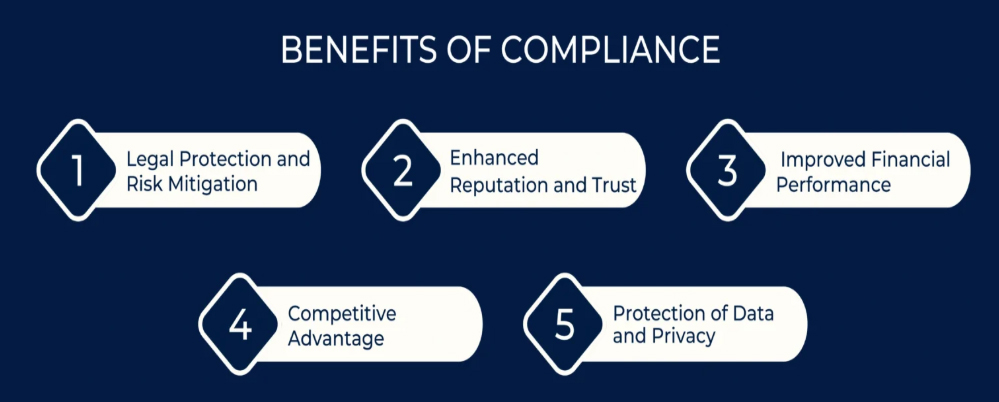 **Benefits of Factory Social Compliances.
✅ Benefits of Factory Social Compliances
Factory Social Compliance means following labour laws and ethical workplace standards related to workers’ rights, safety, welfare, and fair treatment. Implementing social compliance brings legal, financial, and reputational advantages.
**Benefits of Factory Social Compliances.
✅ Benefits of Factory Social Compliances
Factory Social Compliance means following labour laws and ethical workplace standards related to workers’ rights, safety, welfare, and fair treatment. Implementing social compliance brings legal, financial, and reputational advantages.
🏛️ 1. Legal Protection & Risk Reduction • Avoids penalties, notices, and factory closure • Reduces risk of labour disputes, strikes, and litigation • Ensures compliance with Factories Act, PF, ESI, Minimum Wages, CLRA, POSH, etc.
🤝 2. Improved Worker Morale & Productivity • Safe and healthy working conditions • Fair wages, working hours, and benefits • Lower absenteeism and higher productivity • Builds trust between management and workers
🌍 3. Better Business Reputation • Enhances brand image as an ethical employer • Builds confidence among buyers, investors, and authorities • Essential for export-oriented factories facing audits (SEDEX, SA8000, BSCI)
💰 4. Cost Savings in the Long Run • Reduced accidents and medical costs • Lower employee turnover and training expenses • Prevents unexpected legal and compliance-related costs
📈 5. Business Growth & Market Access • Mandatory for working with MNCs, Global Brands & Buying A • Improves eligibility for government tenders and incentives • Facilitates smooth factory expansions and approvals
🛡️ 6. Safer & Healthier Workplace • Fewer workplace accidents • Compliance with safety norms, fire safety, PPE, and welfare measures • Better emergency preparedness
📊 7. Strong Compliance Culture & Systems • Streamlined HR and payroll processes • Accurate statutory records and documentation • Better internal controls and audits
🌱 8. Sustainable & Ethical Operations • Promotes long-term sustainability • Aligns with ESG (Environmental, Social, Governance) expectations • Supports inclusive and responsible industrial growth
🔑 In Simple Words: Social Compliance is not a cost — it is an investment that protects the factory, empowers workers, and strengthens business sustainability. If you want, I can also share: • Myths vs Reality of Social Compliance • Checklist for Factory Social Compliance • Indian factory compliance examples • Audit-ready compliance framework
For more information write us : **info@socialcompliances.in
© 2026, SOCIAL COMPLIANCES INDIA | www.SocialCompliances.in - All Rights Reserved, A TRADING ASIA GROUPE Initiative in Association with GRAV Technologies